

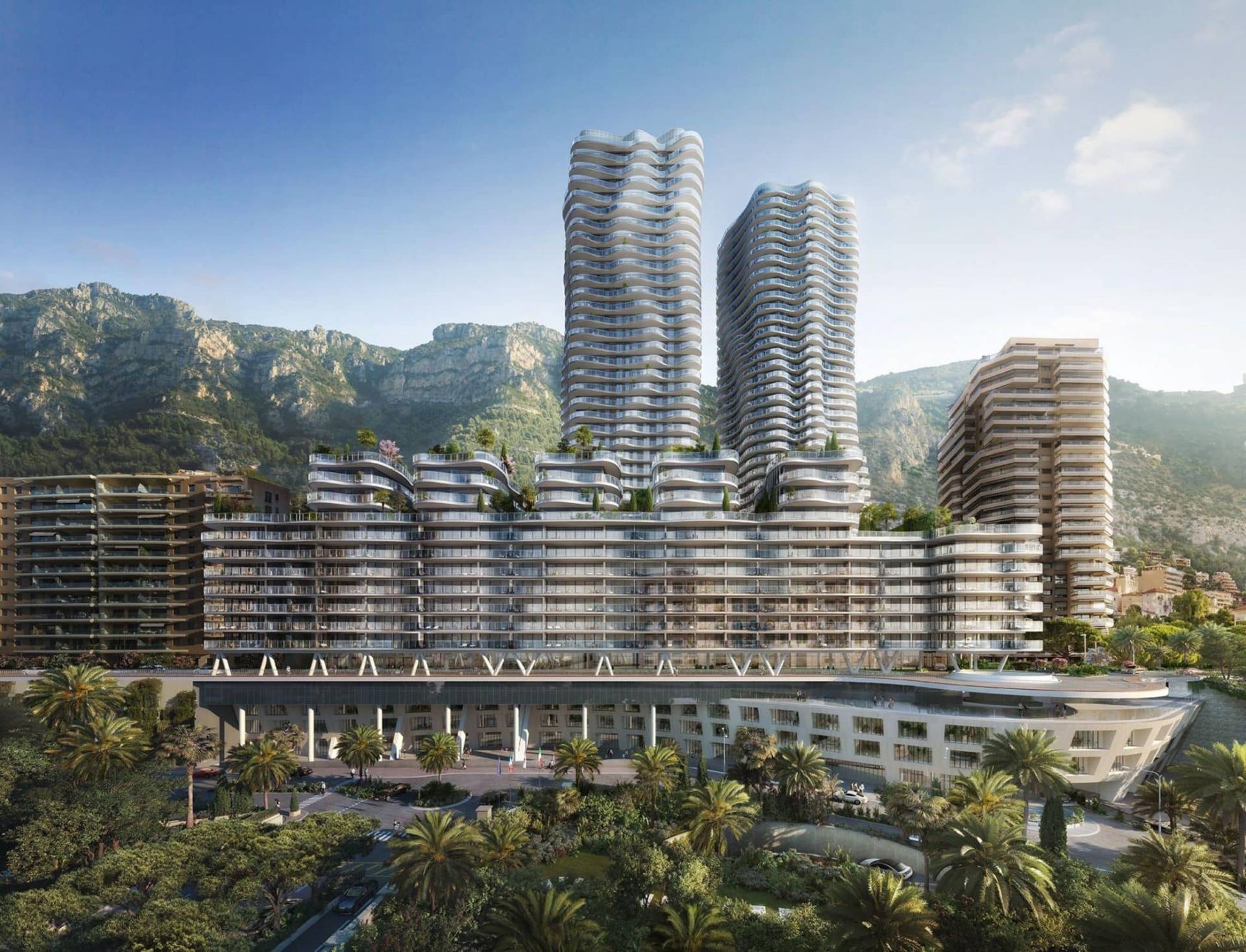
The concept of a “safe haven” is often overused. When applied to real estate, it implies three conditions: constant international demand, structurally limited supply, and the ability to withstand market cycles without major corrections.
On the French Riviera, these three conditions are present, but unevenly depending on the area.
Consistently strong international demand
Despite a more uncertain macroeconomic environment since 2022 (rising interest rates, geopolitical tensions), the French Riviera continues to attract an international clientele.
According to data from the French Notaries, the share of foreign buyers remains significant in the upper segments, with a strong presence of European, Middle Eastern, and North American clients.
This point is key: demand is not solely driven by the French economic context.
Structural land scarcity
The Riviera coastline is one of the most constrained areas in Europe:
- high urban density
- strict regulations (Coastal Law / “Loi Littoral”)
- lack of available land
According to INSEE, several municipalities in the Alpes-Maritimes rank among the most densely populated in France, which mechanically limits the creation of new supply.
As a result, scarcity is not cyclical — it is structural.
A multi-speed market
However, describing the Riviera as a blanket “safe haven” is an oversimplification.
- Well-positioned assets (location, view, quality) show strong resilience
- Secondary or poorly located properties may experience price adjustments
The real question is therefore not: “Is the French Riviera a safe haven market?” but rather: “Which assets on the Riviera truly play that role?”
A safe haven… conditional on selection
The resilience of the Riviera market relies less on its geography as a whole than on its ability to offer:
- rare locations
- liquid assets
- properties with strong international desirability
In other words: it is not geography that preserves value, but asset selection.
Conclusion
In 2026, the French Riviera remains a benchmark territory for the preservation of real estate capital.
However, this stability is not automatic. It requires a precise reading of the market and the ability to distinguish truly strategic assets from those that are not.